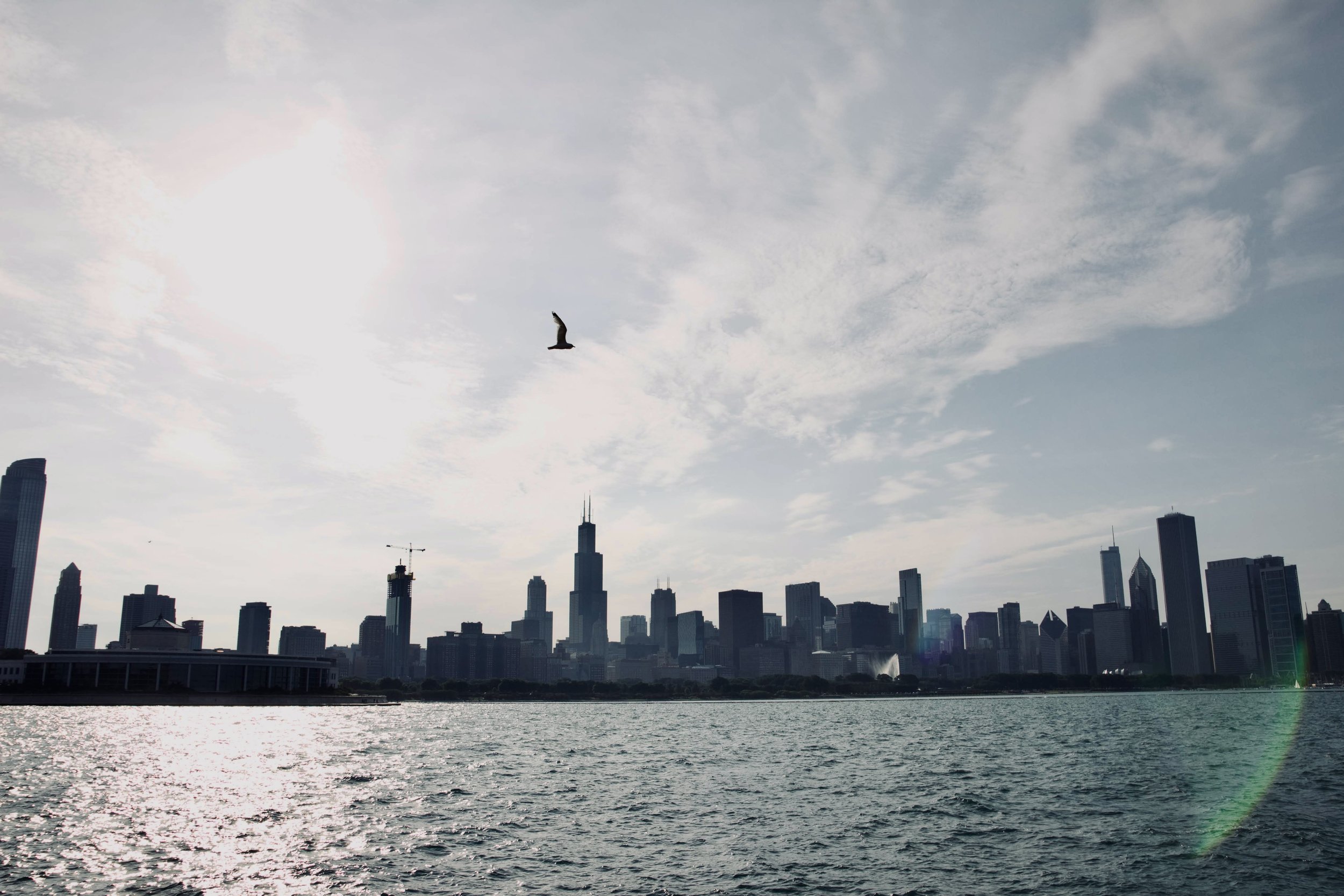
The Loop is where Chicago's architecture concentrates. Within ten blocks you can walk from the 1885 Rookery Building — a Burnham and Root design with a light court renovated by Frank Lloyd Wright — to Mies van der Rohe's Federal Center, to the postmodern Thompson Center. The city treats its architecture as ongoing rather than historical, which means buildings get demolished and replaced with the same frequency they always have. The ones that survived are worth understanding in that context.
The Chicago Riverwalk runs along the north bank of the Chicago River through the Loop. The architecture tour by boat is the standard introduction — 90 minutes on the river with a guide who knows the buildings by name, construction date, and significance. Worth doing before exploring the city on foot so the skyline makes sense.
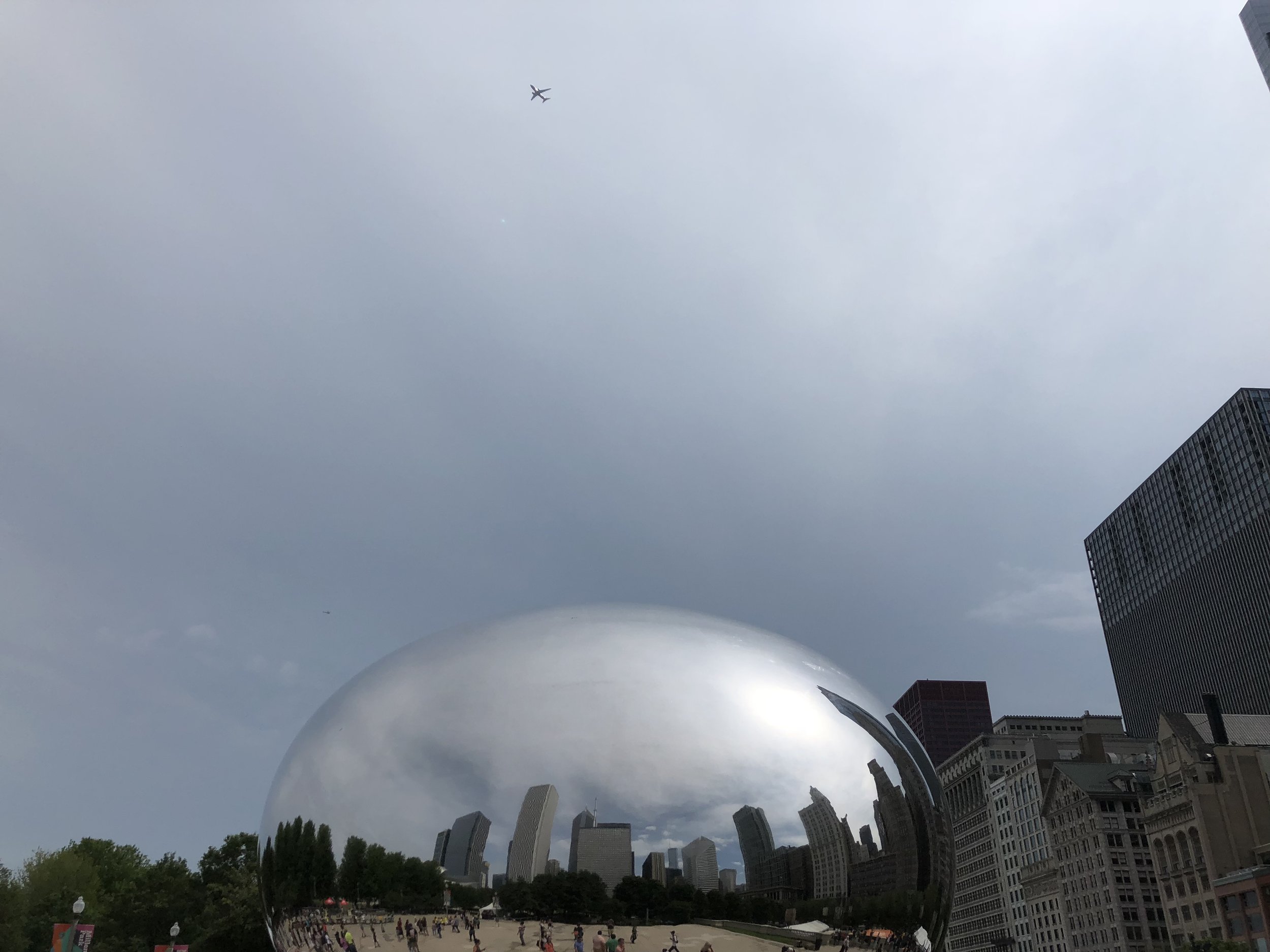
Millennium Park anchors the eastern edge of the Loop. The Cloud Gate sculpture — "The Bean" locally — is a mirror that distorts the skyline and the people standing in front of it simultaneously. Obvious, deliberate, and still compelling in direct observation. The Frank Gehry-designed Pritzker Pavilion behind it hosts outdoor concerts from late spring through summer.
The South Side holds the Museum of Science and Industry, the University of Chicago campus, and the blues clubs along South Michigan Avenue. Hyde Park, the neighborhood around the university, reads as a different city from the downtown — lower, quieter, the Gothic university buildings mixed with mid-century housing. The neighborhood is worth an afternoon away from the tourist circuit.
Chicago food has specific strengths: deep-dish pizza (Lou Malnati's or Giordano's; the debate is real and worth forming your own position on), Chicago-style hot dogs (mustard, onion, relish, tomato, pickle, sport peppers, celery salt — no ketchup), Italian beef sandwiches served "wet" with the bread dipped in the cooking juices. Each of these is an institution, not just a food.
The neighborhoods along the L train routes are the most efficient way to understand the city: Wicker Park and Bucktown on the Blue Line, Lincoln Park and Lakeview on the Red. Each is walkable and defined in character in a way that the downtown isn't.
Practical notes: Chicago winters are genuine — plan accordingly if visiting November through March. The L train covers the key distances cheaply and efficiently. Lake Michigan is cold, even in summer, but the lakefront path running 30 miles along the shore is one of the better urban walks in the country.
More From BUTIMASIAN
2018 & 2019
CHICAGO

Chicago twice — 2018 and 2019. The architecture is the main event: viewable from the water on a river tour, from the street looking straight up, and from the Skydeck's glass floor 412 meters above the loop.


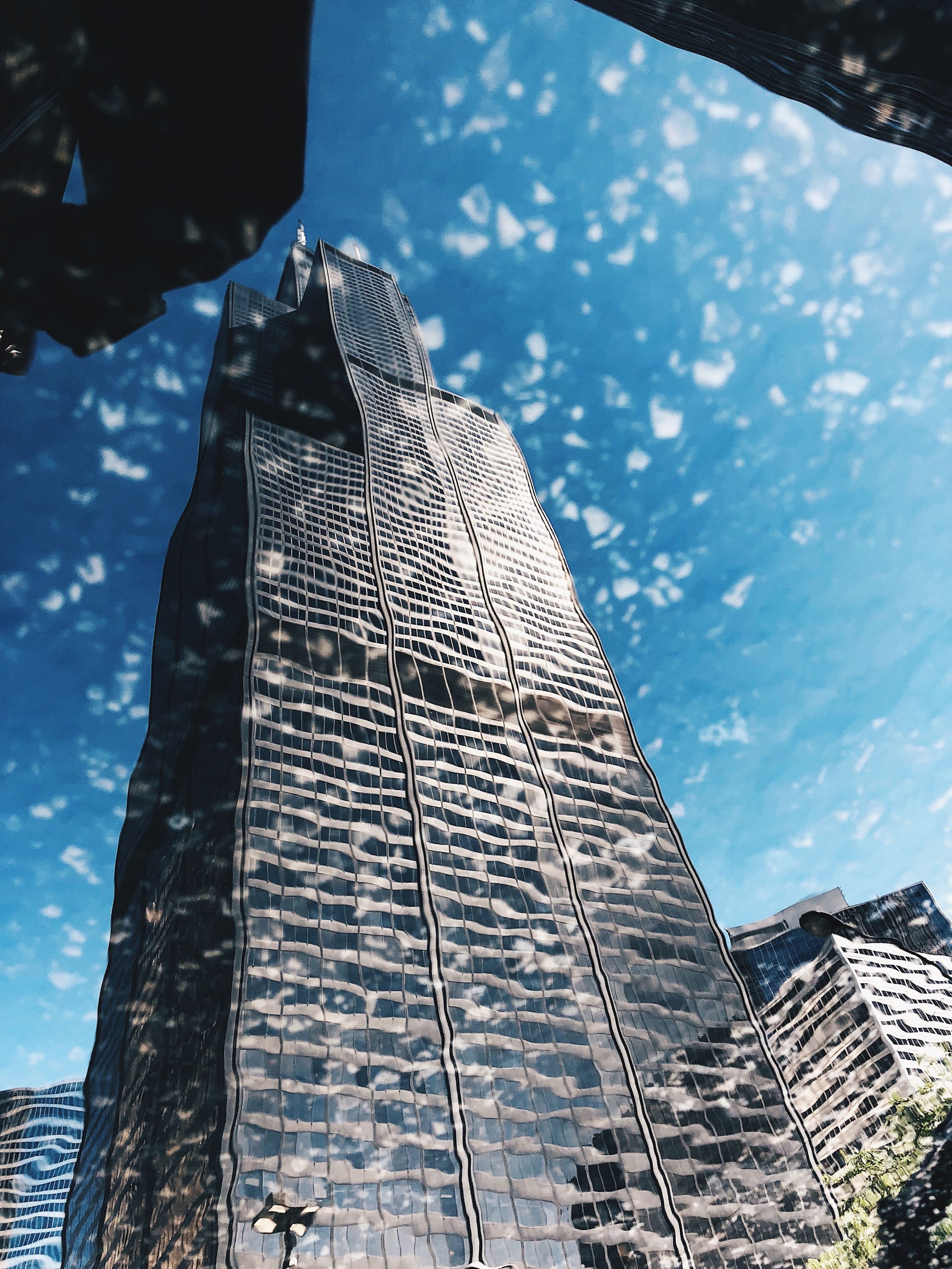


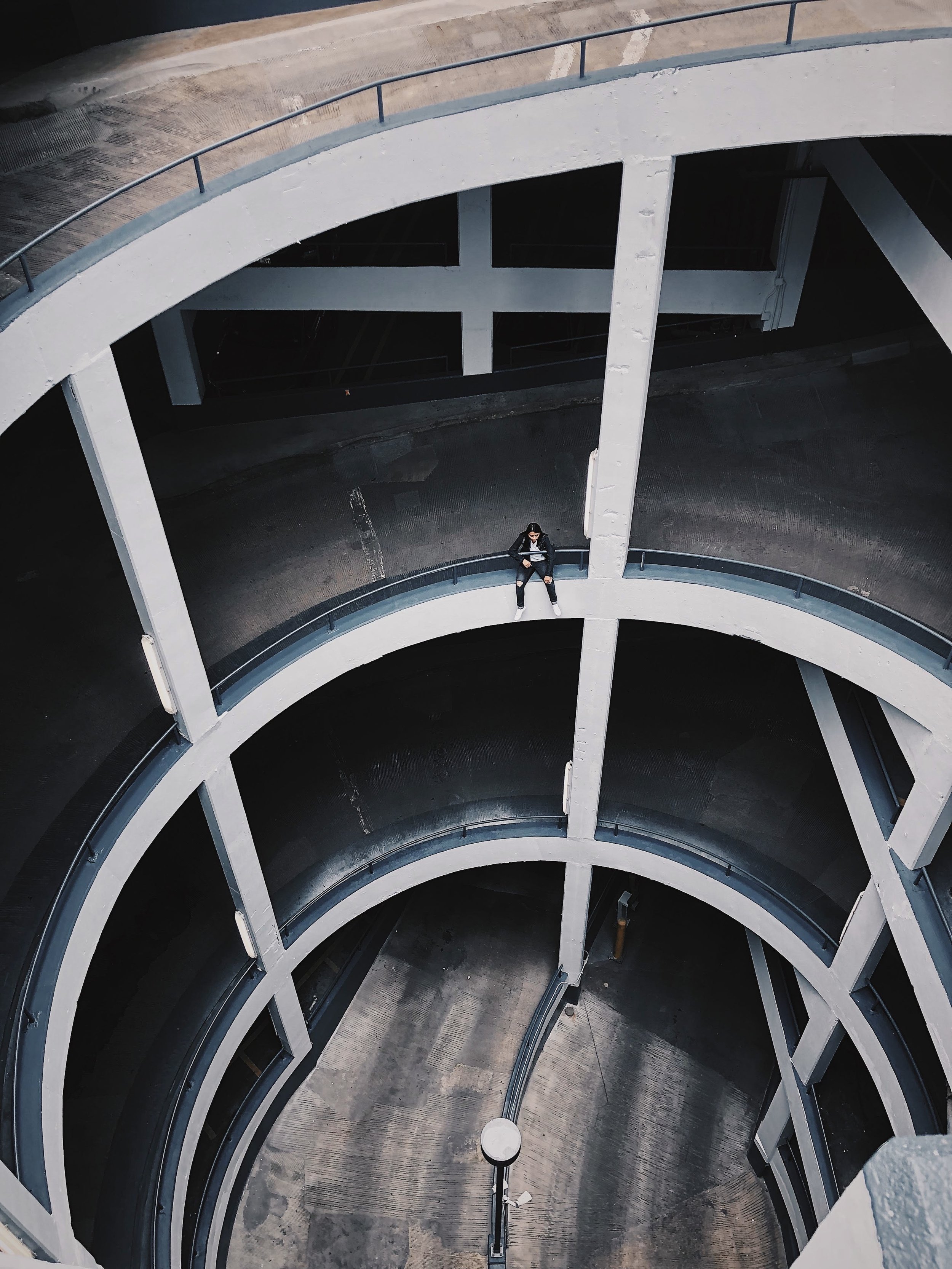

Chicago moves well on foot or on the L. The city covers a lot of ground but stays navigable — four to five days gets you through most of it. The Chicago Architecture Center's river boat tour covers the loop better than anything on land. The Skydeck ledge extends out over the edge of Willis Tower on clear glass; worth doing once for what it does to your understanding of the skyline.
-
Navy Pier
The Bean
Chicago Riverwalk
Garfield Park Conservatory
The Loop
Chicago Skyline
The Chicago Theater
The Rookery Building
-
360 Chicago
Skydeck Chicago
Adler Planetarium
Architecture River Tour
Skyline Helicopter Tour
Field Museum
Shedd Aquarium
Wrigley Field
-
Portillo’s
Giodano’s
Eataly
Nando’s
Lou Malnati’s
Art of Pizza
Uno’s Pizza