2022
Barcelona
Spain

Barcelona is layered. Gaudí's work is everywhere — impossible to miss, harder to fully understand the more you look at it. The city moves between Gothic stone and organic curves, between the noise of the markets and the stillness of a courtyard you didn't expect to find. There's a lot here that rewards slowing down.
Sagrada Família
Sagrada Família has been under construction since 1882 — Gaudí took over the project a year later and worked on it until his death in 1926. It's still unfinished. What exists is already overwhelming: the Nativity facade dense with carved figures, the interior columns branching upward like a stone forest. The scale registers differently standing inside it than any photograph suggests.
El Born sits east of the Gothic Quarter, and the transition between the two is subtle. The streets are narrower but the architecture is different — 19th-century ironwork, modernista details on facades. The Mercat de Santa Caterina is here, less famous than the Boqueria but better for actual shopping. The undulating ceramic roof designed by Enric Miralles in 2005 is worth stopping for from the street.
Passeig de Gràcia at night holds a different energy than in daylight. The street is wide and designed for looking — the Gaudí buildings lit, the boutiques glowing, the pace slower than midday. Casa Batlló and La Pedrera are both open for evening visits, and the crowds thin after 8pm. The facades read differently under artificial light: Casa Batlló loses the blue-green shimmer and gains depth, shapes more pronounced in shadow.
The waterfront at Barceloneta runs along the edge of the Olympic Port. On a clear afternoon the light off the Mediterranean is soft rather than harsh. The beach is functional — a city beach, not a resort beach — but the boardwalk is long and the pace is right. The Barceloneta neighborhood behind it is one of the oldest fishing quarters in the city: tight streets, residential, a different register from the tourist areas.
The Gothic Quarter rewards walking without a destination. Turn enough corners and you find the Plaça de Sant Felip Neri — a small square marked by shrapnel damage from the Spanish Civil War, two fountains, a church facade. One of the quieter places in a neighborhood that doesn't get quiet often.
Practical notes: Sagrada Família and Park Güell require timed tickets in advance — walk-ins are often unavailable in peak season. Casa Batlló and La Pedrera: La Pedrera's rooftop is the priority. The Boqueria is best before 10am. Barcelona's metro covers the key distances efficiently.
More From BUTIMASIAN
The city rewards looking up. Gaudí's buildings push architecture into something else — mosaic tile catching afternoon light, facades that curve instead of meeting at right angles, surfaces that seem to breathe. Barcelona makes sense when you stop expecting ordinary.

Park Güell
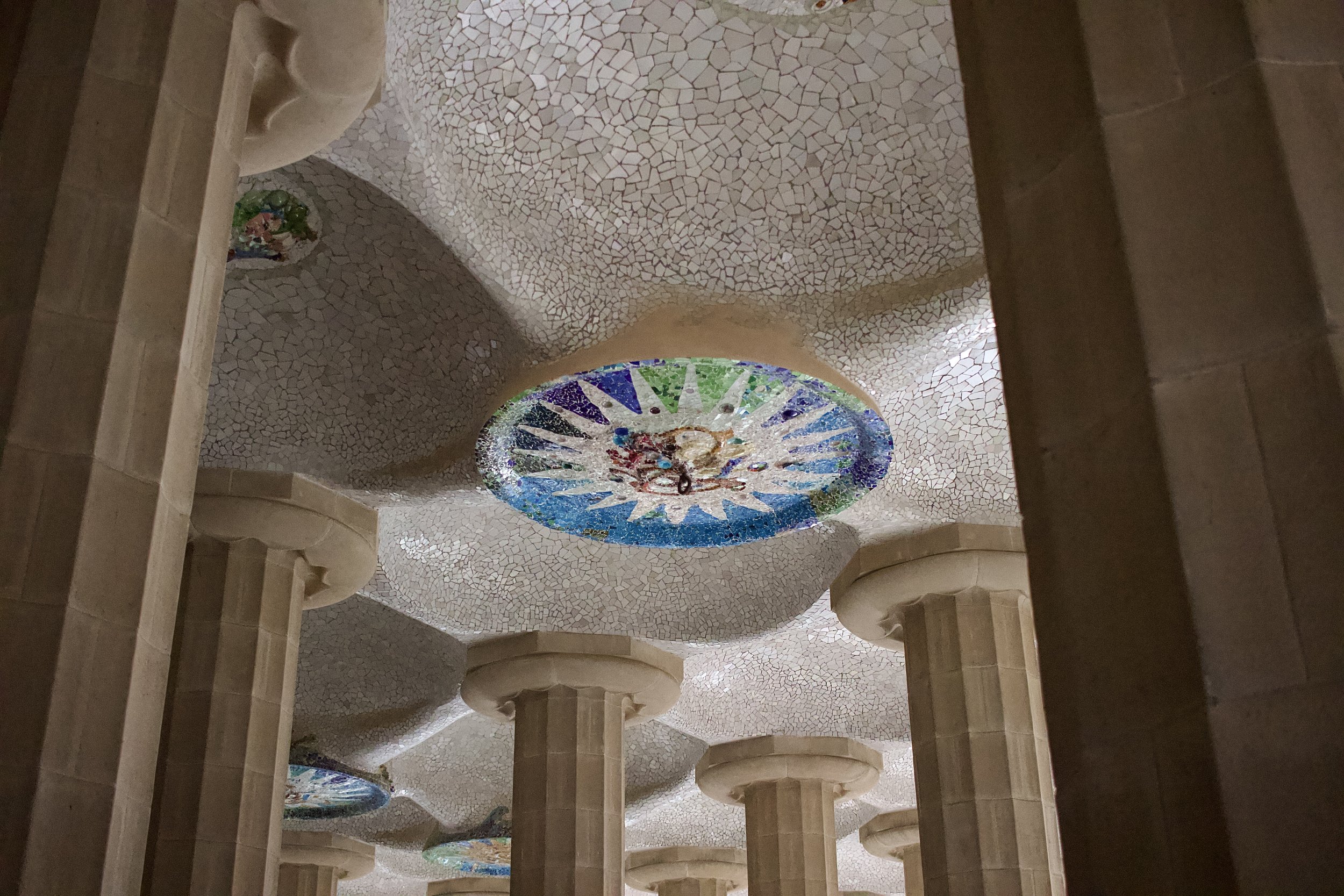
Park Güell sits above the city on Carmel Hill, and the climb is part of it. Gaudí's mosaic work here isn't decorative — it's structural. The tile columns, terrace walls, and tiled houses hold real weight while still catching every angle of light. Bougainvillea spills across the paths. The views back toward the city are wide and unhurried.


Casa Batlló
Casa Batlló is harder to place. The facade shifts with the time of day — blue-green ceramic tiles reading differently in morning light than afternoon. Inside, the walls curve, the light wells glow, and Gaudí's references — dragon spine, ocean floor, bone — become more legible the longer you look.

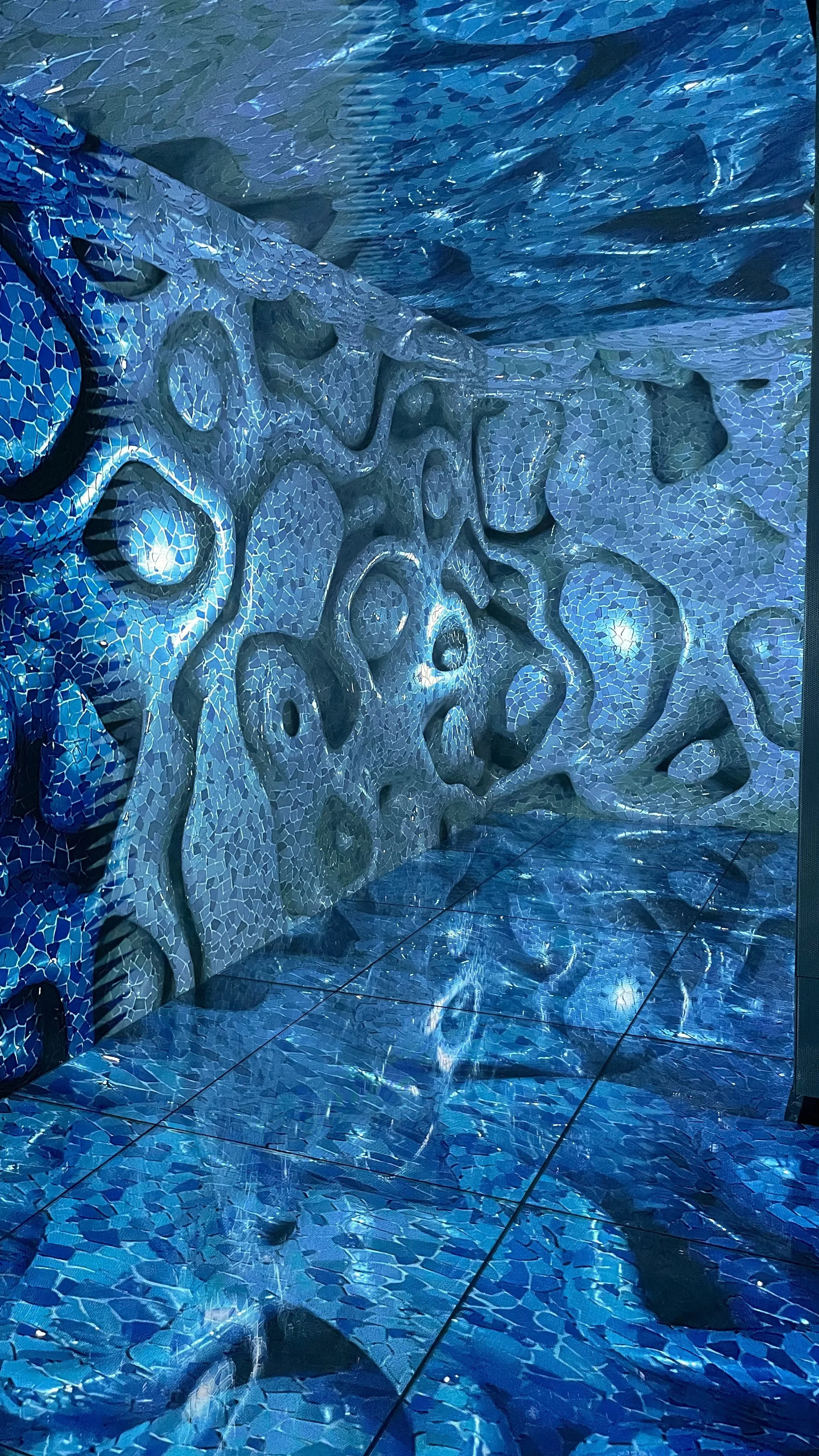

The Gaudí Cube — an immersive installation by Refik Anadol — maps the building's forms and data into something fluid and moving. It's a different way into the same architecture. The room earns its own time.

Casa Milà
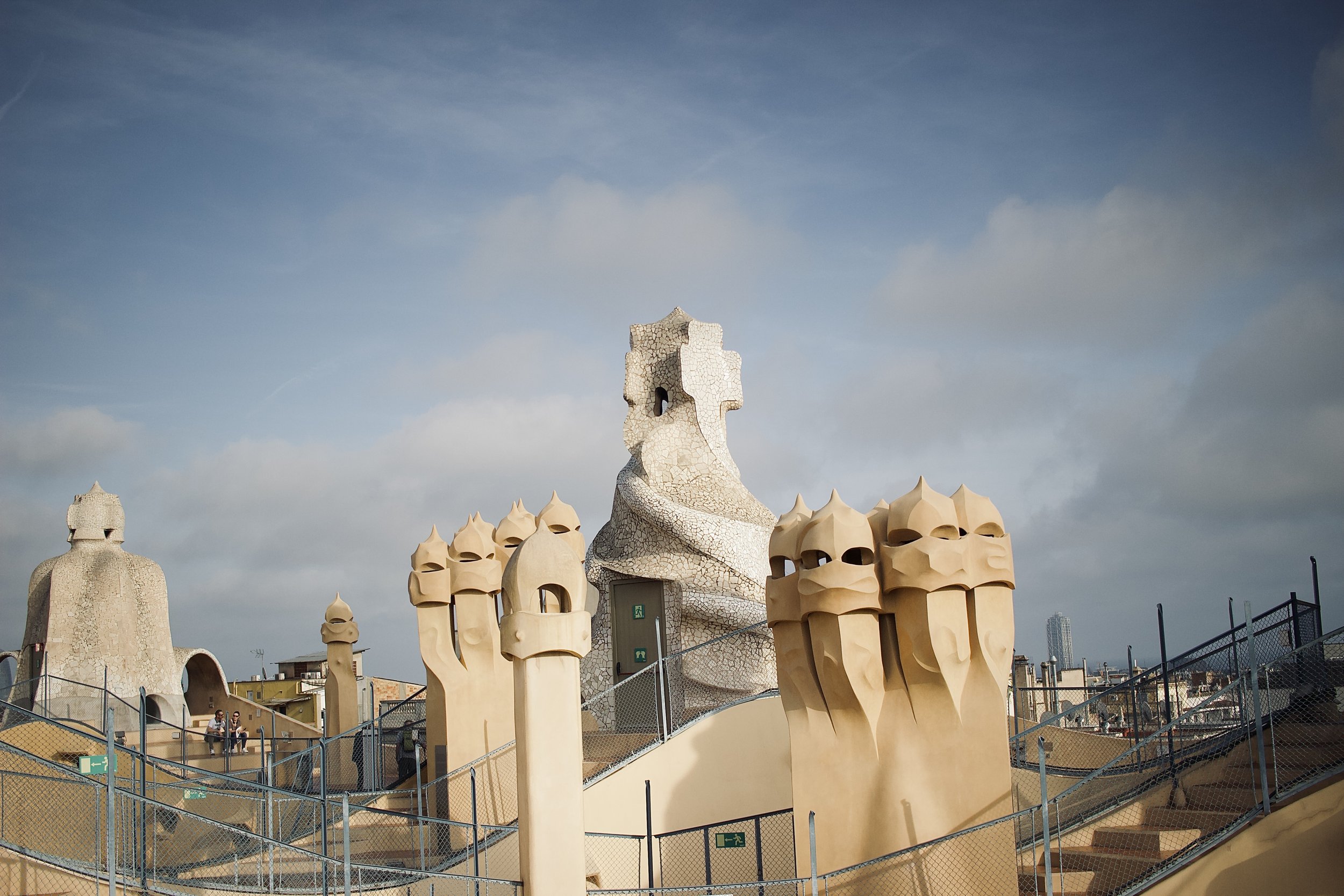
La Pedrera is the one that stays. The rooftop chimneys — helmeted, standing in formation — look designed for a film set, but they predate almost everything they seem to reference. The interior courtyard pulls your eyes straight up. Stone that moves like something alive.

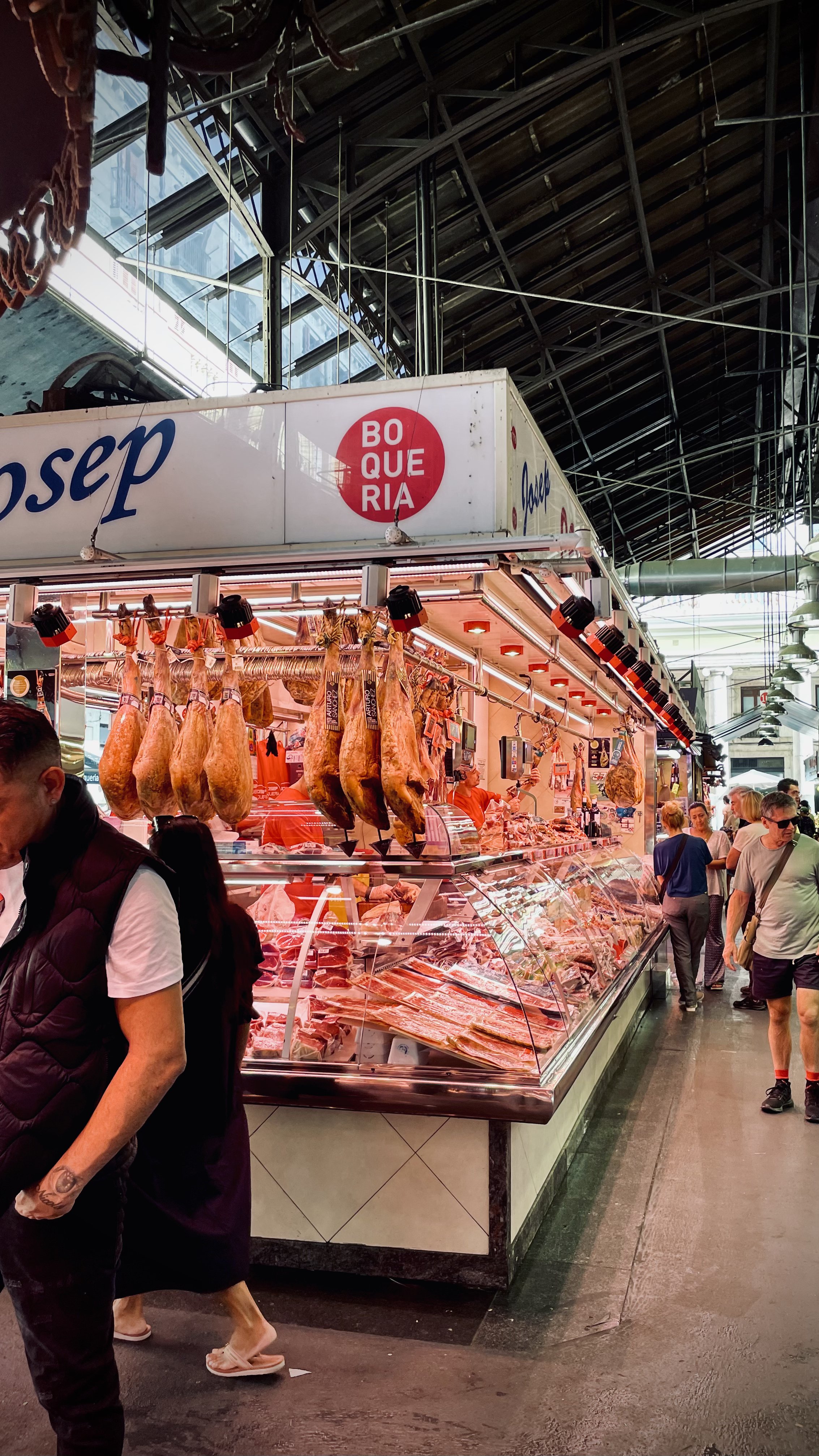
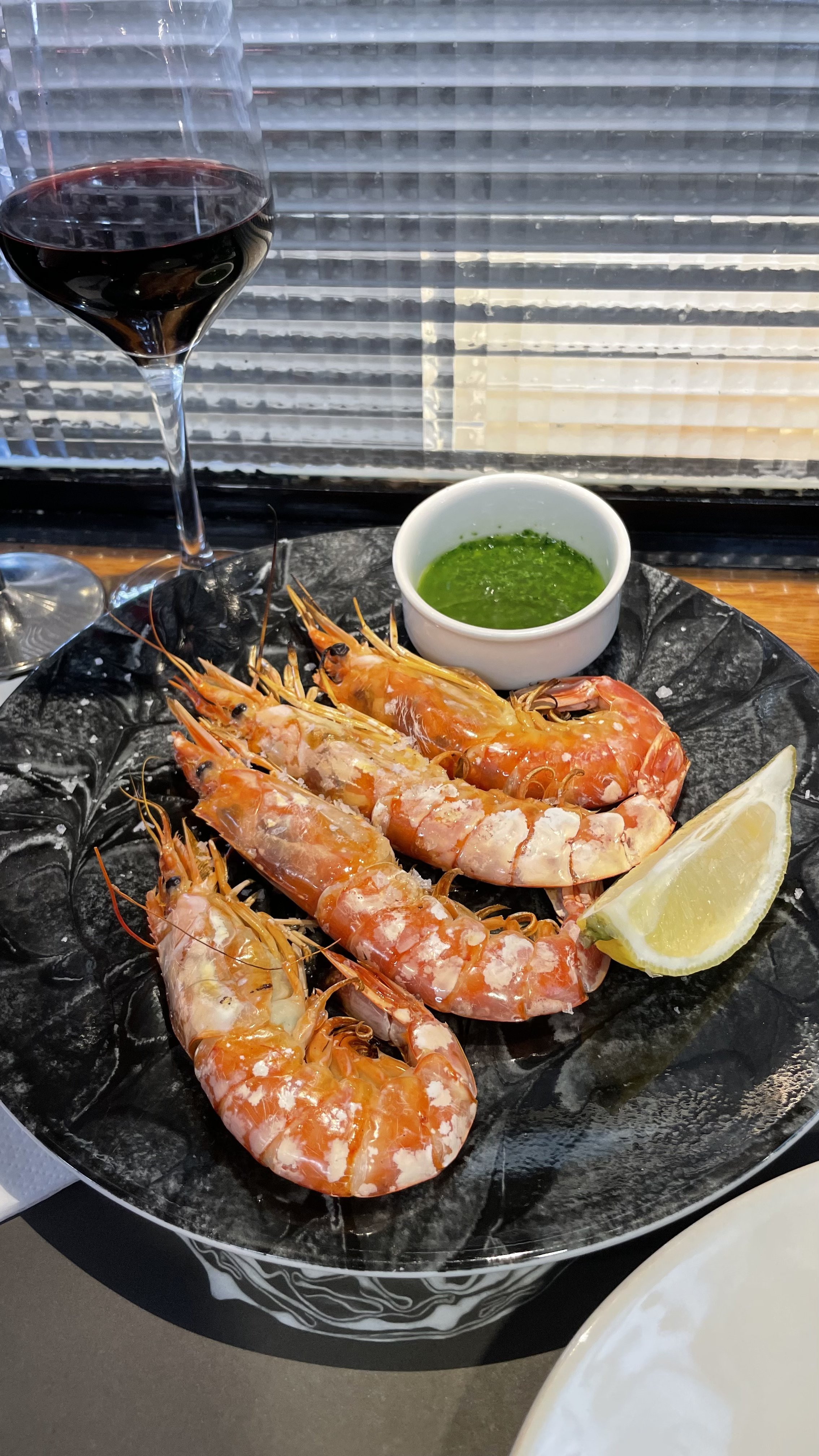
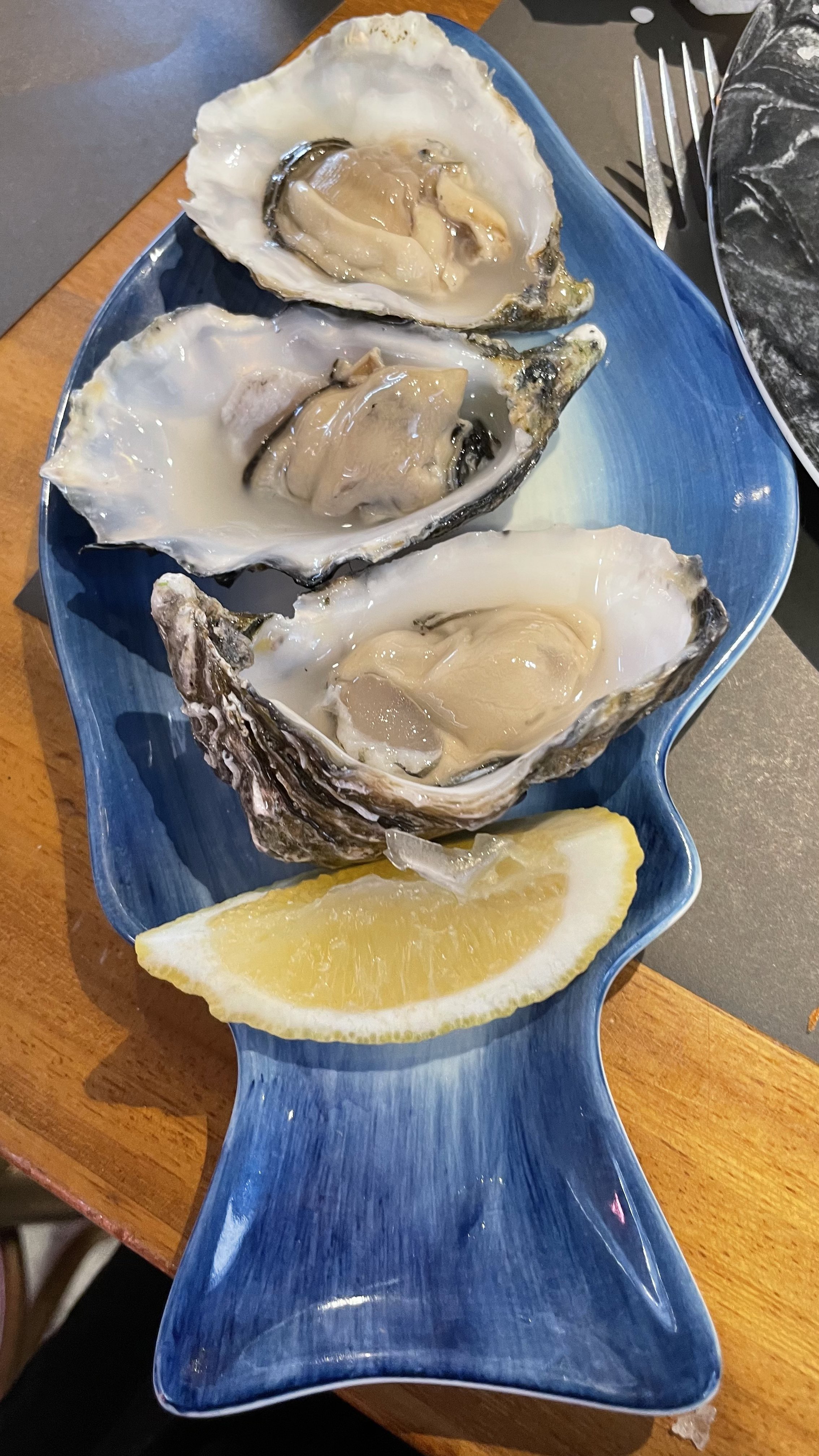
La Boqueria runs deep. Stalls of seafood on ice, dried fruit arranged in exact rows, tapas counters with two or three stools. You eat standing, quickly, and keep moving. The light inside is warm and filtered. A good place to lose an hour before the city picks back up.