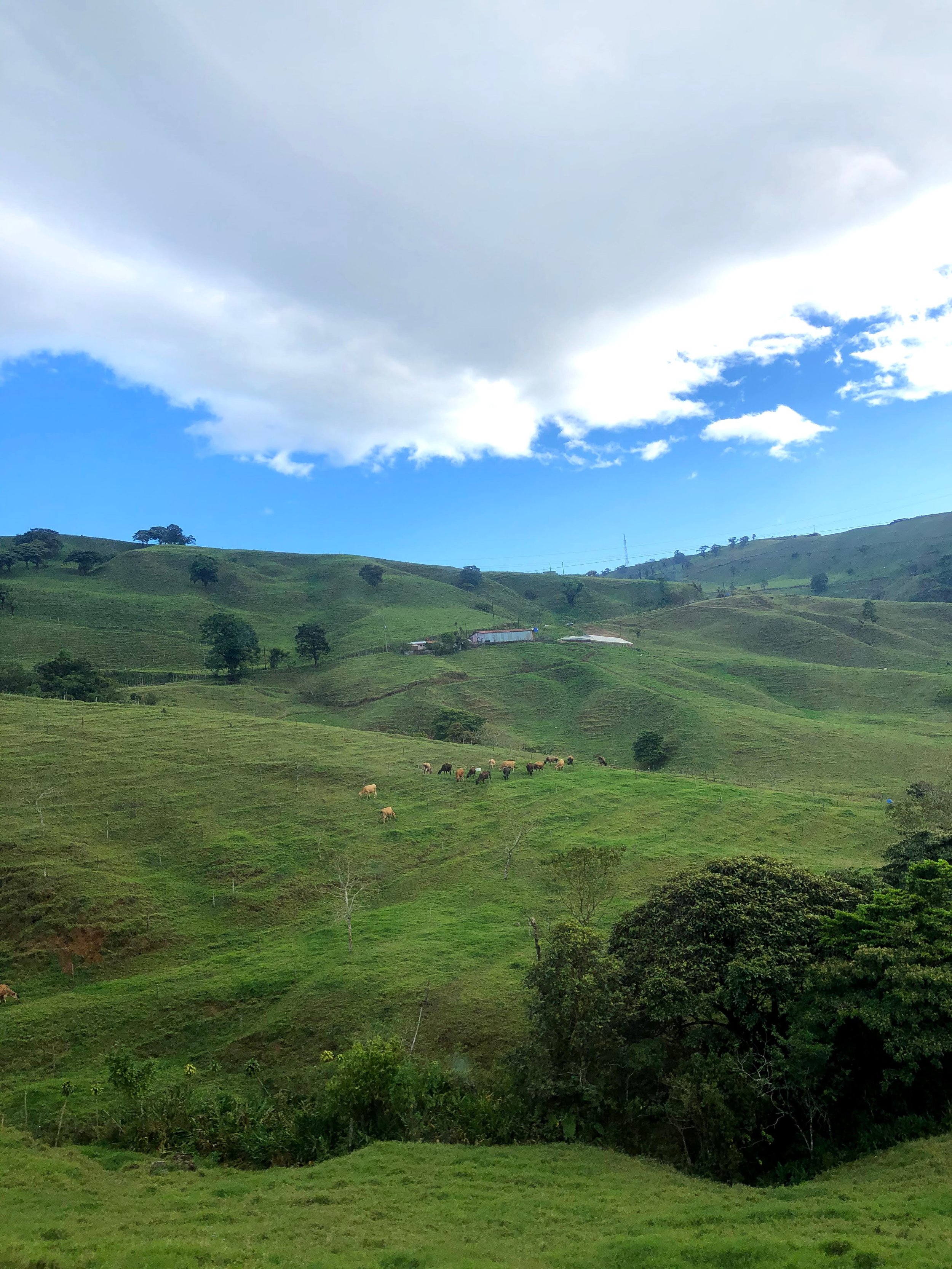
Costa Rica's geography compresses a remarkable range of terrain into a country the size of West Virginia. The Central Valley sits at 1,000 to 1,500 meters elevation — cool, green, with San José at its center. Drop 50 kilometers to the Pacific coast and the climate shifts entirely: hot, dry, the forests opening toward the sea. The Caribbean side is rainier and slower. The country rewards moving through it.
Arenal Volcano anchors the northwest interior. The volcano was dormant for centuries, erupted dramatically in 1968, and has been in a quieter phase since 2010 — but the 1,670-meter cone is still visually dominant over the lake and surrounding forests. The hot springs in the area are geothermal, fed by the same volcanic heat, and several parks and resorts along the base operate pools at varying temperatures. The Tabacón resort runs a free-flowing thermal river through landscaped grounds.
Manuel Antonio on the Pacific coast is small enough to walk across in an hour — the national park, the beach, the village. The park protects a peninsula of primary forest with four beaches accessible on foot. White-faced capuchin monkeys move through the canopy overhead; sloths hang in the trees at every elevation. The park caps daily visitors; arrive early or book in advance.
The Monteverde Cloud Forest Reserve sits in the mountains between the two coasts. At 1,400 meters, the forest is perpetually misted — visibility through the trees changes by the hour. The Quetzal, one of the most vivid birds in the hemisphere, nests in the cloud forest between March and June. The hanging bridges trail gives a canopy-level view without the zipline infrastructure.
Wildlife is immediate and unapologetic throughout the country. Howler monkeys at dawn sound closer than they are. Poison dart frogs in the Caribbean lowlands are blue and yellow against the leaf litter. Leatherback sea turtles nest on the Caribbean beaches at night between March and July. The biodiversity is not a background detail — it's the primary experience.
Practical notes: Costa Rica uses the colón but US dollars are widely accepted. Driving between regions requires 4WD on some roads, particularly in the rainy season. The dry season (December through April) is the most reliable for Pacific coast travel; the Caribbean has no true dry season but June and September-October see less rain.
More From BUTIMASIAN
2020
Costa Rica
Costa Rica in 2020 — four weeks on a pharmacy rotation, working weekdays and exploring everything else. La Fortuna waterfall at the foot of a volcano. Jaco at sunset, the Pacific very orange.
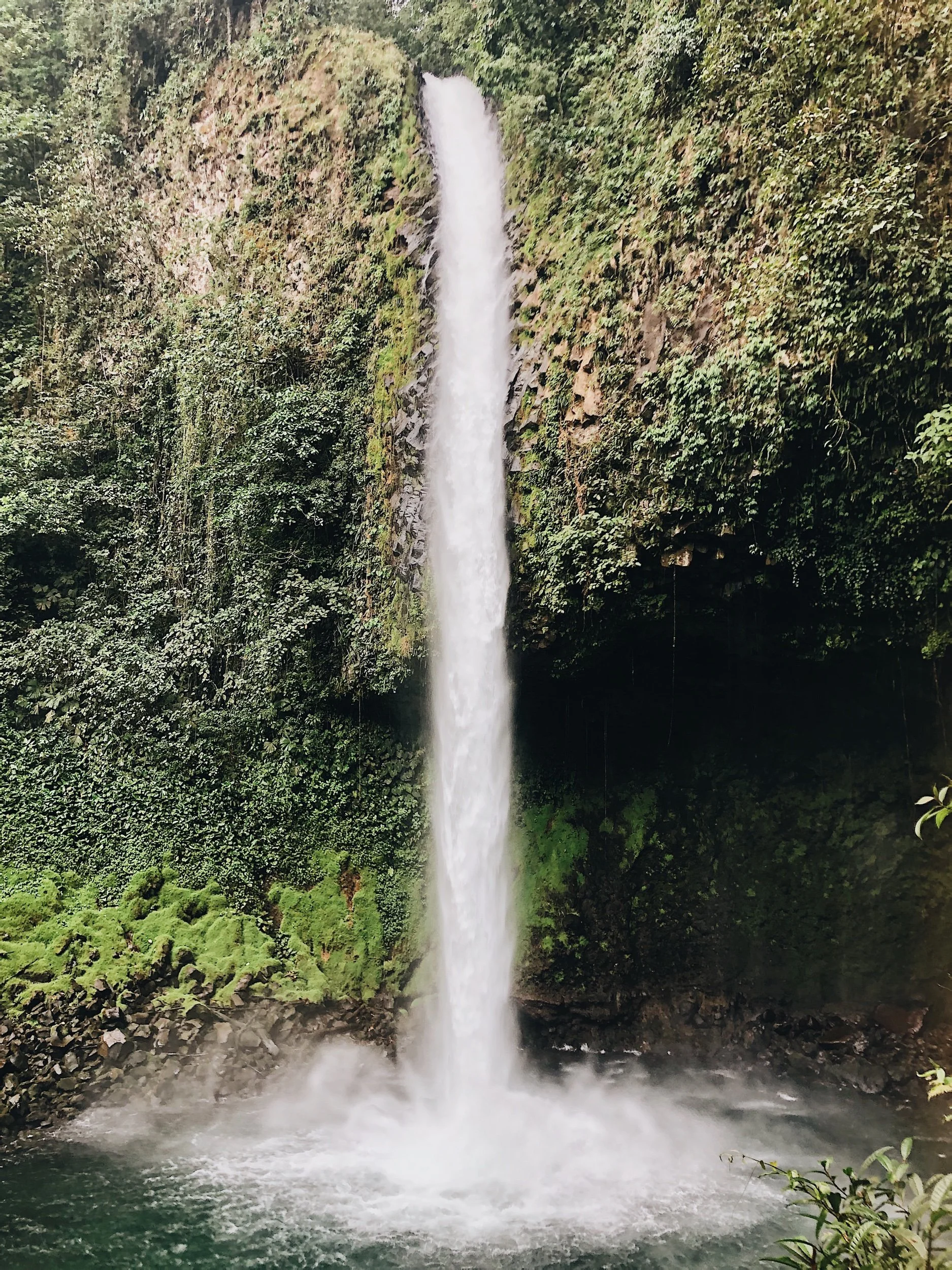

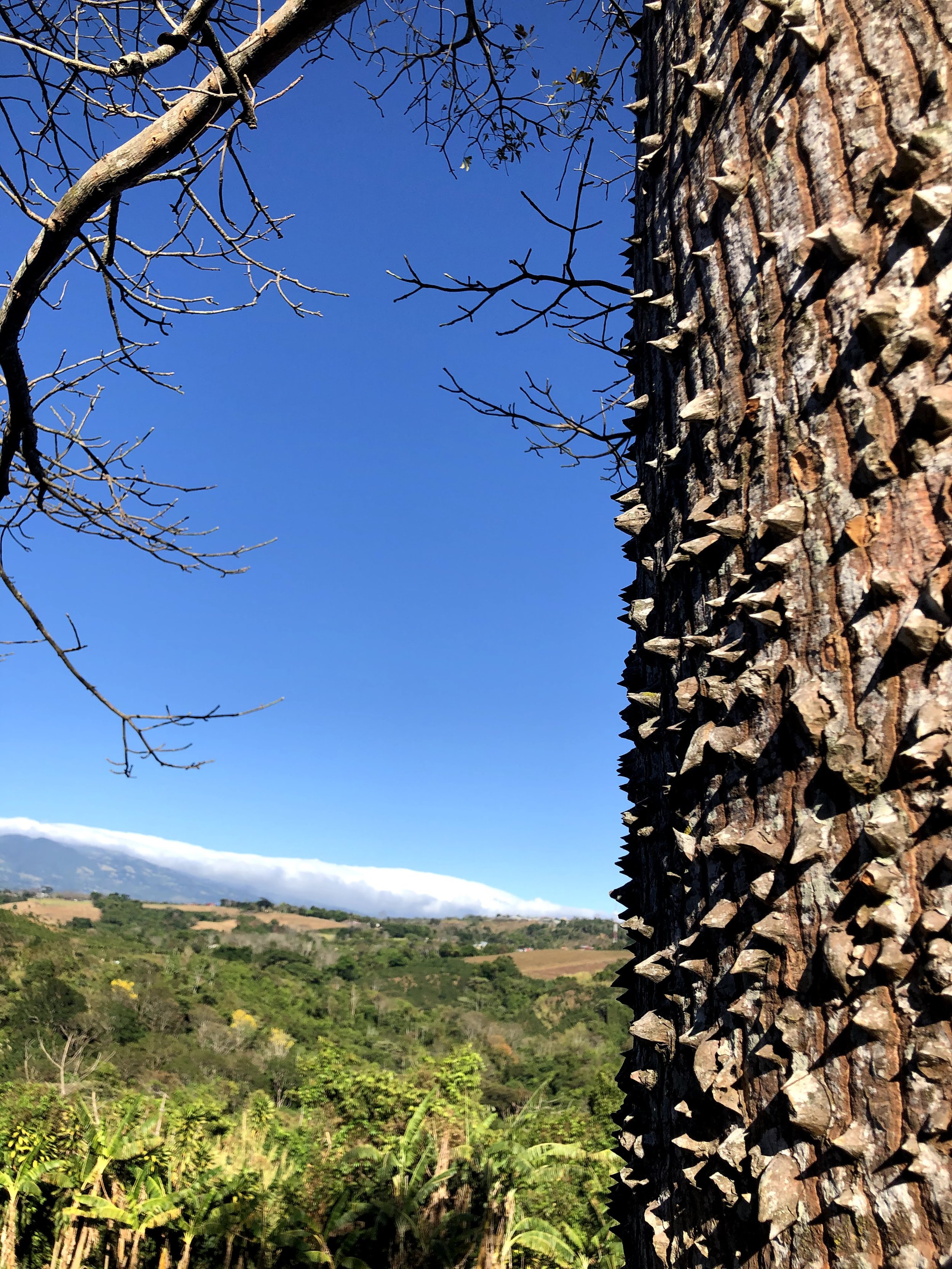


A four-week rotation at Hospital Clínica Bíblica in San José, commuting in from Heredia each day. Pharmacy from another country's perspective: different resources, different rhythms, the same questions. Weekends went to the coast — Jaco, beach towns west of the city, the kind of drives where the road narrows and then opens onto the water. San José had enough to keep returning to.
-
San Jose
Arenal
Tamarindo
Alajuela
Jaco
-
La Fortuna
Oxigeno Mall
La Concha
National Museum of Costa Rica
Manuel Antonio National Park
